Pavers Pacific Palisades – Installation, Repair & Retaining Walls
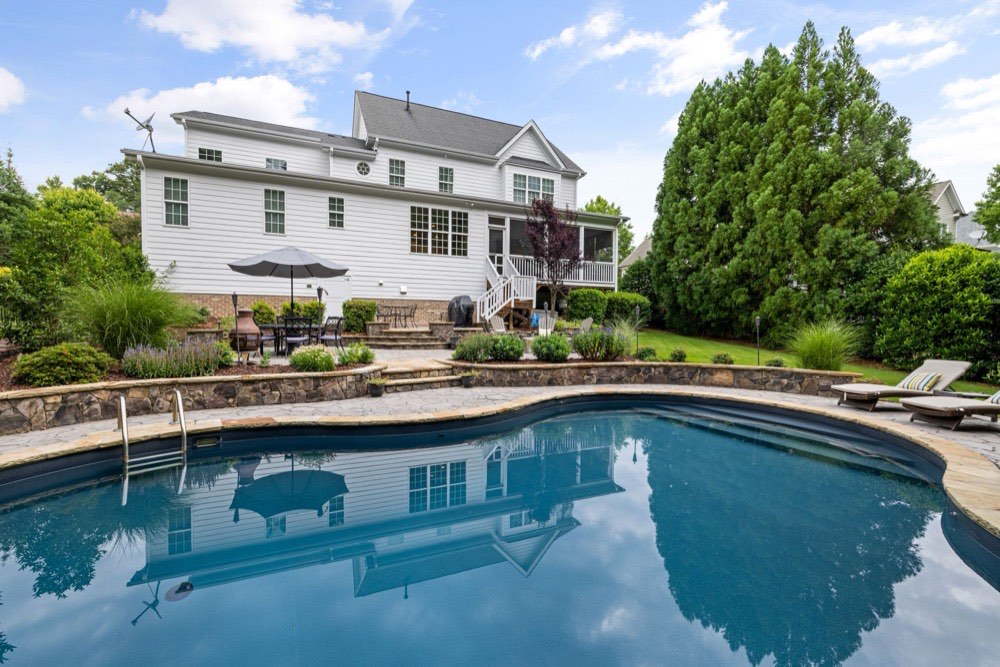
In Pacific Palisades, most hardscape work right now is part of rebuilding. The January 2025 Palisades Fire destroyed thousands of homes here, and as houses go back up, driveways, walks, patios and walls follow. Rebuild hardscape has its own considerations: fire-resistant design near the house, drainage on new grades, and timing with the general contractor.
The neighborhood
The Palisades sits on the bluffs and canyons between Santa Monica and Malibu, inside the City of Los Angeles. The Alphabet Streets and the Huntington Palisades are relatively flat, with mid-century and traditional homes on regular lots. The Riviera, Rustic Canyon and Marquez Knolls have more slope, and Castellammare and the bluffs above Pacific Coast Highway are steep, with a long history of landslides. Each area raises different questions for hardscape.
Hardscape in a rebuild
On a rebuild, the driveway and patios usually go in last, after heavy equipment is gone. But the grades and drainage should be planned with the house, because they determine where water goes for decades. Points to settle early with your GC and civil engineer:
- final grades around the house, so paving falls away from the foundation
- where roof and surface water discharge, and whether any of it can soak in on site
- the driveway slope and the transition to the street
- which walls are structural and need engineering
The first five feet around the house
Cal Fire’s defensible space guidance describes an ember-resistant zone within five feet of a home, and recommends hard, noncombustible surfaces there rather than bark mulch or shrubs. Pavers, gravel and concrete all fit. A paver walk or patio along the house is a practical way to meet that guidance while keeping the yard usable.
Slopes, bluffs and walls
On sloping lots, retaining walls over 4 feet from the bottom of the footing, or walls supporting a slope, driveway or structure, need a permit and engineering. On the bluffs and in known landslide areas, a geotechnical report often drives the whole design, including where water may and may not be allowed to soak into the ground. In those areas, permeable paving may be the wrong choice. Follow the geotechnical engineer.
Permits and coastal rules
Pacific Palisades is in the City of Los Angeles, so building permits go through LADBS. Driveway approaches and work at the street need a Bureau of Engineering A-Permit. Parts of the Palisades are inside the Coastal Zone, where exterior development can need coastal review. Native oaks and sycamores in the canyons are protected, and work inside their dripline can require a permit.
Materials
Near the coast, choose dense, low-absorption pavers and non-steel edging. Light colors keep patios cooler. For a rebuild, it’s worth ordering a little extra of the chosen paver for future repairs.
Pacific Palisades paver questions
When should we schedule hardscape in our rebuild?
After the heavy trades are done, but design it with the house. Grades and drains are hard to change later.
Are pavers good for the zone right next to the house?
Yes. Noncombustible hardscape is what fire-safety guidance recommends there.
Can we use permeable pavers on a bluff lot?
Only if the geotechnical engineer agrees. On some slopes, water soaking into the ground is exactly what to avoid.
What does a driveway cost?
See our cost guide; walls and drainage are separate.
For a Pacific Palisades estimate, call (213) 577-0727 or send photos through the form.