Pavers Bel Air – Installation, Repair & Retaining Walls
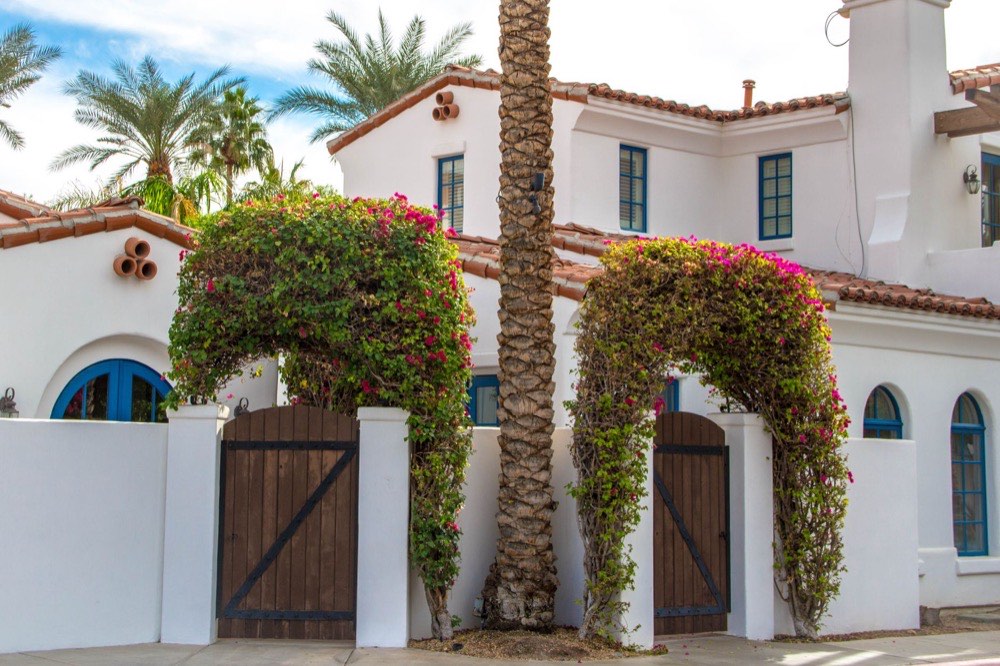
Bel Air is almost all hillside. Homes sit on steep lots along narrow, winding roads, and most outdoor space was cut into the slope and held up by walls. Paver work here is as much about walls, drainage and access as about the paving itself.
Bel Air’s properties
Developed from the 1920s onward, Bel Air ranges from large period estates near the East and West Gates to mid-century and contemporary homes higher up the canyons toward Mulholland. Long driveways, motor courts, terraced gardens and pool decks are typical. The 1961 Bel Air fire destroyed hundreds of homes, and the area remains a Very High Fire Hazard Severity Zone.
Walls and terraces
Almost every Bel Air project involves a retaining wall. Under the state code, walls over 4 feet from the bottom of the footing, or any wall holding back a slope, driveway or structure, need a permit and engineering, and most hillside walls fall into that category. The engineer will usually want a soils report. Drainage behind the wall, with gravel backfill and a perforated pipe to an approved outlet, keeps the wall from being pushed over by water pressure.
Steep driveways and motor courts
A steep driveway needs a deep, well-compacted base, solid concrete edge restraints, an interlocking pattern and a textured paver for grip. Motor courts at the top need careful slope design so water doesn’t collect against the house or garage. A channel drain is common at the bottom of a steep run. See driveway pavers.
Hillside rules and access
Bel Air is in the City of Los Angeles, and hillside lots fall under the City’s hillside regulations, which control grading and how much soil can be moved. Larger amounts of export or import can trigger grading permits and haul route review. Narrow roads also limit truck size, delivery times and where materials can be staged. A realistic schedule accounts for that.
Fire
Cal Fire’s defensible space guidance recommends hard, noncombustible surfaces in the first five feet around a house. Paver walks and patios along the house fit that guidance, and stone or concrete walls are noncombustible too.
Trees and the street
Native oaks, sycamores, black walnuts and California bays of 4 inches or more in diameter are protected in Los Angeles, and work inside their dripline can require a permit. Work at the street, including driveway approaches, needs a Bureau of Engineering A-Permit.
Bel Air paver questions
Why does hillside hardscape cost so much more?
Engineered walls, drainage, soils reports, grading and limited access all add cost beyond the paving. See our cost guide.
Our old retaining wall is leaning. Can it be repaired?
Sometimes, but leaning usually means drainage failed or the wall was under-designed. An engineer should look at it before anyone paves near it.
Can we match the stone on an older estate?
Often closely, with a site visit and samples. Natural stone varies by quarry, so exact matches aren’t guaranteed.
How long does a hillside project take?
Engineering and permits usually take longer than construction. Plan for both.
For a Bel Air estimate, call (213) 577-0727 or send photos through the form.