Patio Pavers Los Angeles
Patio pavers in Los Angeles. Travertine, porcelain, concrete. Pool decks, entertaining areas, courtyards.
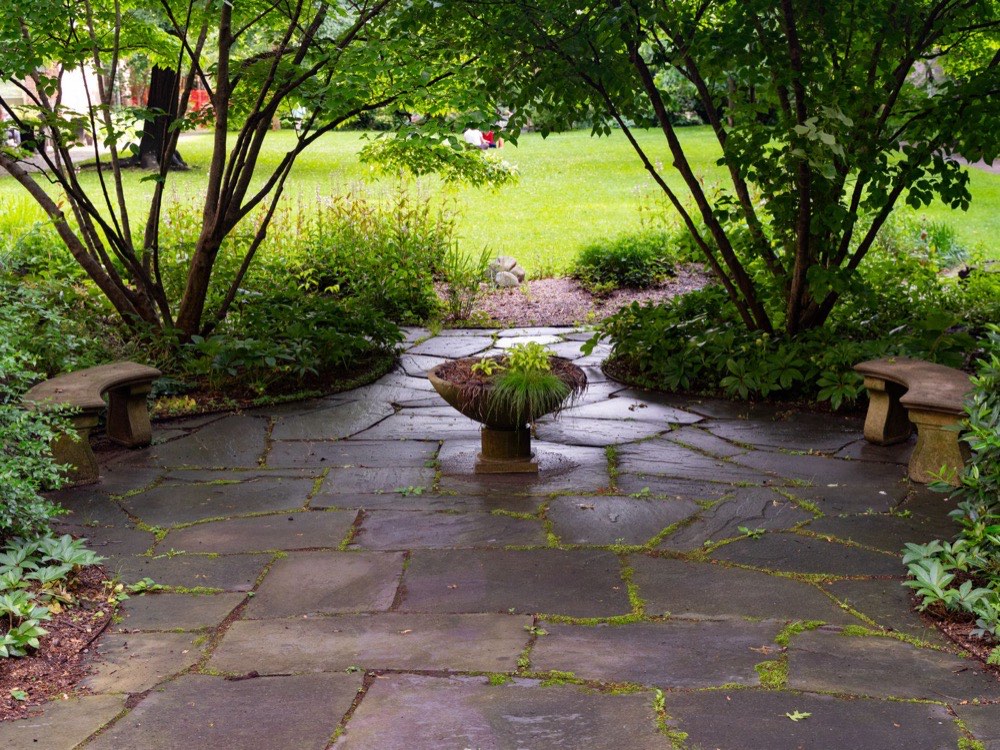
A paver patio is an outdoor surface that will be walked on, rained on, and heated by direct Los Angeles sun for decades. The material choice matters. The drainage grade matters more. And the base underneath both determines whether the surface stays level or develops the sinking, spreading, and pooling problems that most homeowners eventually call us about. In Los Angeles, where the climate supports outdoor use most of the year, a well-built patio is a functional room – not just a decorative feature. What makes it work long-term is the same thing that makes any paver installation work: the base underneath it.
We design and install paver patios throughout Los Angeles – backyard entertaining areas, pool surrounds, courtyard spaces, and rooftop decks.
Patio Paver Installation
Patio installation follows standard paver methodology with attention to a few specific considerations:
Drainage
Patios must drain away from the structure. We establish grade during the base preparation phase to ensure water flows toward the yard or designated drainage points. Improper drainage is the most common mistake in residential patio installation – it causes base failure and can direct water toward the foundation.
Integration with Existing Landscape
Patios typically interface with planting beds, lawn, pool coping, steps, or existing hardscape. These transitions need to be handled correctly – edge restraints installed, grade transitions smooth, step construction solid.
Pattern and Layout
Running bond, herringbone, basketweave, and random patterns each have different visual effects and different waste factors at cuts. We discuss pattern options during the design phase and include accurate cut waste in material quantities.
Patio Paver Materials
Travertine
The most popular choice for Los Angeles patios. Natural stone, cool underfoot in direct sun – particularly the tumbled and honed finishes. Pairs well with pools and Mediterranean architecture. Does require periodic sealing and is more susceptible to oil staining than porcelain.
Porcelain Pavers
Increasingly popular for modern designs. Consistent appearance, very low maintenance, non-porous surface resists staining. Available in large format sizes that give a clean contemporary look. Slightly more expensive than concrete, slightly less than premium travertine.
Concrete Pavers
Wide range of styles, finishes, and colors. Tumbled concrete can approximate the look of natural stone at lower cost. Good durability, widely available for future repairs.
Flagstone
Natural irregular stone – slate, limestone, sandstone – for pathways and informal patio areas. Requires more precision in base prep to achieve even surface height. Good for certain design aesthetics.
Pool Deck Pavers
Pool surrounds have specific requirements beyond standard patio work:
- Non-slip surface texture – especially important on wet surfaces
- Heat reflectivity – lighter colors absorb less heat underfoot in direct LA sun
- Chemical resistance – chlorine splatter and pH adjustment chemicals affect some materials
- Coping integration – where the paver surface meets the pool edge
Travertine is the dominant choice for LA pool decks because it meets all four criteria naturally. Porcelain with a textured finish is also appropriate. We discuss material selection specifically for pool deck applications during the estimate.
Patio Paver Cost in Los Angeles
- Concrete pavers: $18–$28 per square foot installed
- Travertine: $22–$38 per square foot installed
- Porcelain: $25–$42 per square foot installed
- Flagstone: $20–$35 per square foot installed (varies widely by stone type)
Steps, retaining walls, drainage work, and demolition of existing concrete are priced separately. We provide a complete itemized proposal.
The Four Failure Modes We See Most
- Inadequate base compaction – base settles after installation, dips and uneven surfaces appear within 1–2 seasons
- No proper drainage slope – water pools under the surface, weakens base, accelerates settlement
- Edge restraint failure – pavers migrate outward, joints open, perimeter unravels
- Insufficient excavation depth – thin base layers fail under vehicle load over time
We correct these by rebuilding from the base up – not by resetting pavers over a compromised foundation.
Frequently Asked Questions
How long does patio installation take?
A typical residential patio of 400–800 square feet takes 3–5 days. Larger projects, projects with significant grading, or projects that include retaining walls and steps take longer.
Do you handle the design as well?
We work from homeowner-provided designs, architect plans, or can develop a layout during the estimate process. We’re not landscape architects – we don’t provide full outdoor living design services – but we can develop a functional layout for straightforward patio projects.
Can you match existing pavers for an extension?
Possibly, depending on the material. Concrete pavers from major manufacturers are often still available. Natural stone varies by quarry lot and can be difficult to match exactly. We’ll assess what you have and let you know before the project is planned around matching.
Serving: Los Angeles · San Fernando Valley · Westside · Pasadena · Glendale · LA County