Pavers vs Concrete Los Angeles
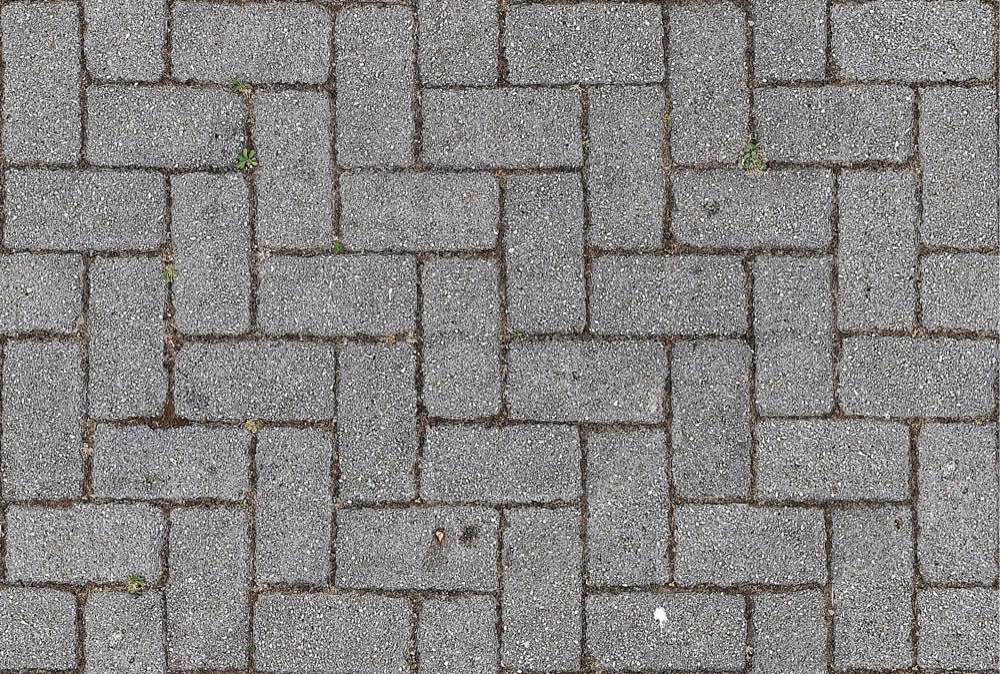
Pavers and poured concrete are both legitimate choices for driveways, patios, and pool decks in Los Angeles. The right answer depends on the application, the budget, and how you weigh upfront cost against long-term repairability.
How They Differ in Practice
Repairability
This is the most important practical difference. Poured concrete cracks – usually within 5–10 years in LA’s thermal cycling climate – and cracks in concrete read as permanent damage. Patching concrete is visible and rarely looks right. Pavers, by contrast, can be lifted and replaced individually. A section that settles or a paver that cracks can be corrected without disturbing the surrounding surface. If a utility line needs to be accessed under a paver driveway, the pavers come up and go back down. Under concrete, that’s a jackhammer job.
Initial Cost
Poured concrete is less expensive upfront. A concrete driveway in Los Angeles typically runs $8–$14 per square foot installed. Pavers run $18–$35 per square foot depending on material. The gap narrows when you account for the longer service life of pavers and the repair cost differential over time – but the initial investment is real.
Drainage
Standard poured concrete is impermeable. All water runs off the surface and must be directed somewhere. Paver joints, even with polymeric sand, allow some infiltration. Permeable paver systems with open-graded base allow significant stormwater infiltration – relevant in parts of LA where impervious surface coverage is regulated or where drainage to street is a problem.
Appearance Over Time
Concrete fades, stains, and shows tire marks over time. Resurfacing or coating helps but is a recurring maintenance item. Pavers maintain their appearance longer and can be pressure-washed, sealed, and re-sanded periodically to look nearly new. Oil stains on concrete are essentially permanent without chemical treatment. Oil on pavers can be addressed with poultice or replacement of the affected stones.
Heat
Concrete in direct sun gets hot. Darker concrete gets very hot. Light-colored pavers – particularly travertine – stay cooler underfoot in LA’s summer heat. Relevant for pool decks and south-facing patios where barefoot comfort matters.
When Concrete Makes More Sense
- Tight budget where upfront cost is the primary constraint
- Large commercial areas where unit labor cost makes pavers prohibitive
- Situations where the surface will be covered (garage floor under vehicles only, for example)
When Pavers Make More Sense
- Driveways where repairability and appearance over 20+ years matters
- Pool decks where heat, slip resistance, and aesthetics are design drivers
- Patios where the surface is part of the outdoor living design
- Any area where utility access beneath the surface is possible in the future
- Hillside driveways where differential settlement is likely and sectional repair is a practical advantage