Retaining Walls Los Angeles
Retaining wall installation in Los Angeles. Block, CMU, natural stone. Drainage-first approach. Licensed contractor.
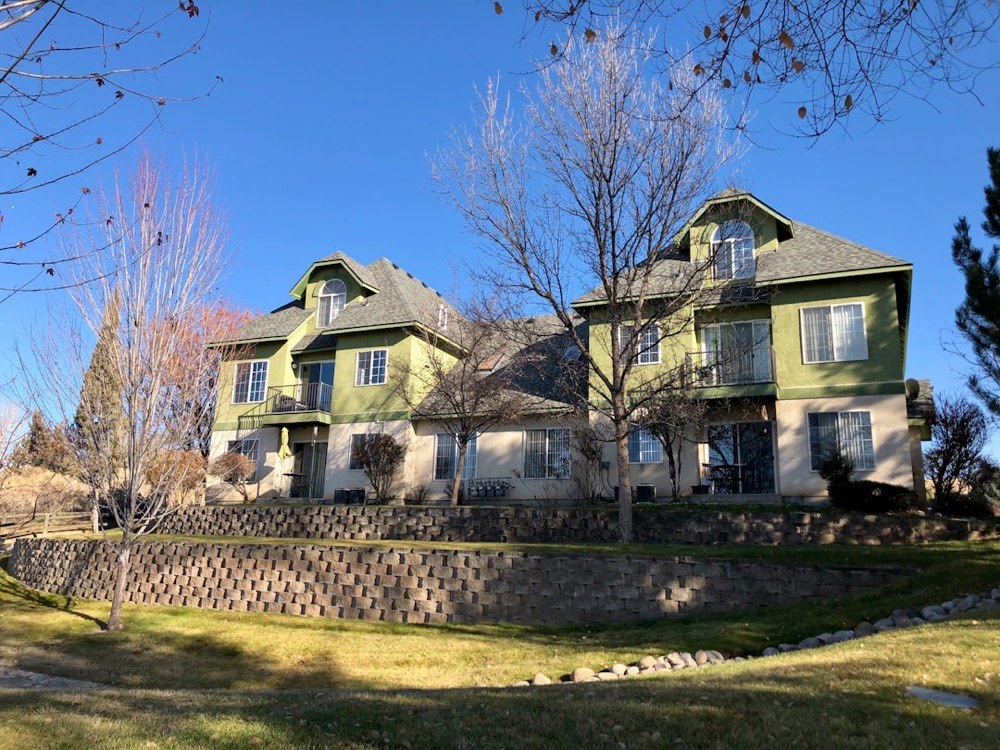
A retaining wall is a structural element, not a landscaping feature. When it fails – through inadequate drainage, insufficient footing, or the wrong system for the height and soil load – it fails significantly. Soil moves, whatever was above it moves, and the repair cost is multiples of what correct installation would have cost. We build retaining walls drainage-first. When it fails – whether through inadequate drainage, insufficient footing, or wrong block selection for the load – it fails significantly. The soil moves, whatever was on top of it moves, and repair is substantially more expensive than building it correctly the first time.
We install retaining walls throughout Los Angeles, including hillside properties in the Santa Monica Mountains, Bel Air, Pasadena, and the hillside neighborhoods of Glendale and Burbank.
Why Retaining Walls Fail
Most retaining wall failures in Los Angeles come from one of three causes:
Inadequate Drainage
Water pressure building behind a wall – called hydrostatic pressure – is the primary cause of wall failure. Without proper drainage aggregate and perforated pipe at the base of the wall, water has nowhere to go. In a heavy LA rain event, that pressure can overturn a wall that looks structurally sound.
Insufficient Footing
A wall that isn’t footed below the frost line or into stable soil will shift with seasonal moisture changes. In LA, the soil expansion and contraction cycle from dry season to wet season is significant enough to move walls that aren’t properly anchored.
Wrong System for the Height
Allan Block and similar segmental retaining wall systems have maximum height limits based on batter (backward lean), geogrid reinforcement, and soil conditions. Exceeding those limits without engineering produces walls that look fine initially and fail under saturation load.
Retaining Wall Systems We Install
Segmental Block Walls
Allan Block, Versa-Lok, and similar interlocking concrete block systems. Standard for residential applications up to 4–6 feet. Taller walls typically require geogrid reinforcement and sometimes engineering review. Good appearance, durable, and repairable.
Concrete Block (CMU)
Concrete masonry unit walls for larger commercial and residential retaining applications. Stronger than segmental block for equivalent height. Requires column spacing and bond beam reinforcement for tall walls.
Natural Stone
Dry-stacked or mortar-set natural stone walls for lower-height applications and aesthetic emphasis. More labor-intensive; appropriate for garden walls and low retaining applications where appearance is the primary driver.
Concrete Paver Face Walls
Retaining walls faced with pavers to match the surrounding hardscape. Combines structural block with decorative paver face for a unified appearance in patio and outdoor living projects.
Drainage Behind Retaining Walls
Every retaining wall we build includes:
- Drainage aggregate (clean crushed rock) behind the wall for the full height
- Perforated drain pipe at the base of the wall directing water away from the structure
- Geotextile filter fabric separating drainage aggregate from native soil
- Weep holes or open joints for surface drainage on shorter walls
These aren’t optional. Drainage is what separates a wall that lasts from one that fails in the first heavy rain.
Permits for Retaining Walls in Los Angeles
In Los Angeles County and most incorporated cities, permits are required for retaining walls over 3–4 feet in height (measured from the base of the footing). The specific threshold varies by jurisdiction.
Walls over 4 feet typically require engineered drawings and inspection. We work with engineers and pull permits where required. We do not build walls that require permits without pulling them.
Retaining Wall Cost in Los Angeles
- Segmental block wall (up to 4 ft): $45–$75 per linear foot
- Segmental block wall (4–8 ft, with geogrid): $75–$120 per linear foot
- CMU wall: $85–$140 per linear foot depending on height and reinforcement
- Natural stone garden wall: $60–$100 per linear foot
Hillside sites with limited access, significant soil removal, or drainage complexity are priced higher. We assess site conditions during the estimate and provide complete pricing before work begins.