Pavers Glendale – Installation, Repair & Retaining Walls
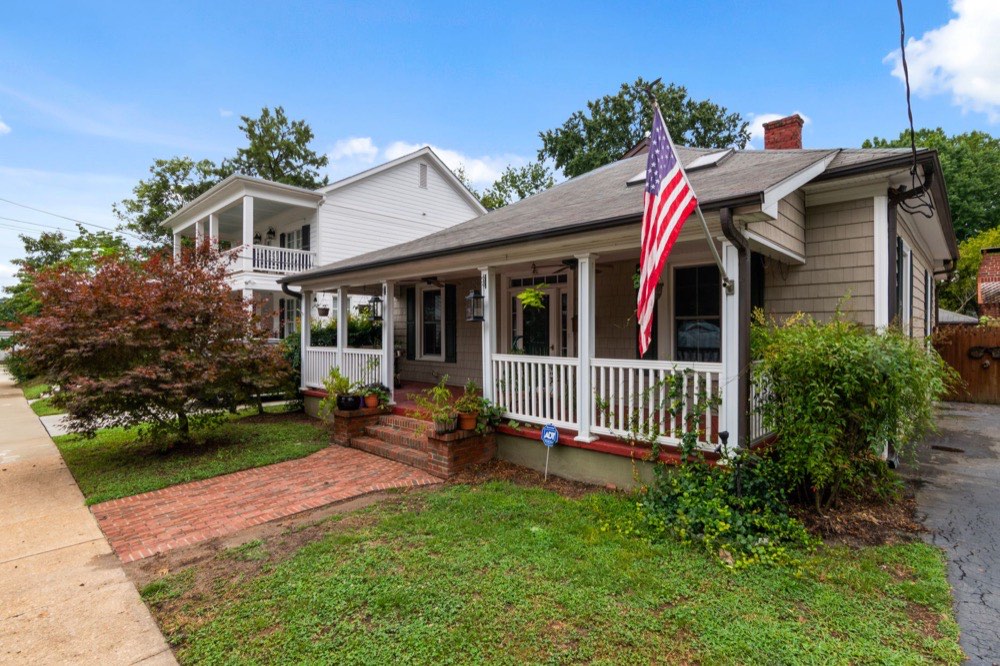
Glendale paver projects split between flat lots near downtown and hillside homes in the canyons. On the flats, the work is mostly driveways and back patios. In the hills, almost every project involves a grade change, a retaining wall or drainage. And anywhere near a native oak or sycamore, Glendale’s tree rules come first.
Glendale’s neighborhoods
South of the 134 and around downtown, the housing is a mix of 1920s to 1950s bungalows, Spanish-style houses and apartments on modest lots. Rossmoyne and the streets north of downtown have larger period homes, and several areas are designated historic districts. Farther north and east, Verdugo Woodlands, Glenoaks Canyon and Chevy Chase Canyon have hillside homes on steep, winding streets, many shaded by mature native trees.
Glendale’s Indigenous Tree Ordinance
Glendale protects native oaks, California bay and California sycamore trees, generally at 6 inches in trunk diameter and up. The protected zone is the larger of 15 feet from the trunk or the dripline plus 5 feet. Paving, excavation, storing materials or running equipment inside that zone needs an Indigenous Tree Permit, and encroachment usually requires a report from a qualified tree expert.
In practice, that means checking for protected trees before the design is drawn, not after. Sometimes the answer is to pull a patio back a few feet. Sometimes it’s a different base detail, or a permeable surface near the tree. Glendale’s public works department runs the program.
Hillside work
On Glendale’s hillsides, flat outdoor space usually has to be created. That means cutting into the slope, building a retaining wall, and dealing with the water that runs down the hill. A few points that apply on almost every hillside job:
- Retaining walls over 4 feet from the bottom of the footing, or walls supporting a slope or driveway above them, need a permit and engineering.
- Drainage behind the wall, with gravel and a perforated pipe, matters as much as the wall itself.
- Steep driveways need a textured paver, strong edge restraint at the low end, and often a channel drain at the garage.
- Access for equipment and materials is limited, which affects schedule and cost.
See our retaining wall page for wall types.
Permits
At-grade paving on private property generally doesn’t need a building permit. Retaining walls over the code threshold do. Driveway approaches and parkway work at the street need a Glendale Public Works permit. In historic districts, visible changes in front of the house may need design review.
Glendale paver questions
There’s an oak near where I want a patio. Can I still build it?
Possibly. Inside the protected zone you’ll need a permit and likely an arborist’s report. Designing around the zone is often faster.
Do I need a permit for a 3-foot garden wall?
A wall under 4 feet from the bottom of the footing usually doesn’t need a building permit, unless it supports a slope, driveway or structure above it.
What paver works on a steep driveway?
A vehicle-rated concrete paver with a textured surface and a pattern like herringbone. See driveway pavers.
How much does hillside work add?
Walls, drainage and access are priced separately from the paving. Our cost guide explains.
For a Glendale estimate, call (213) 577-0727 or send photos through the form.