Pavers Malibu – Installation, Repair & Retaining Walls
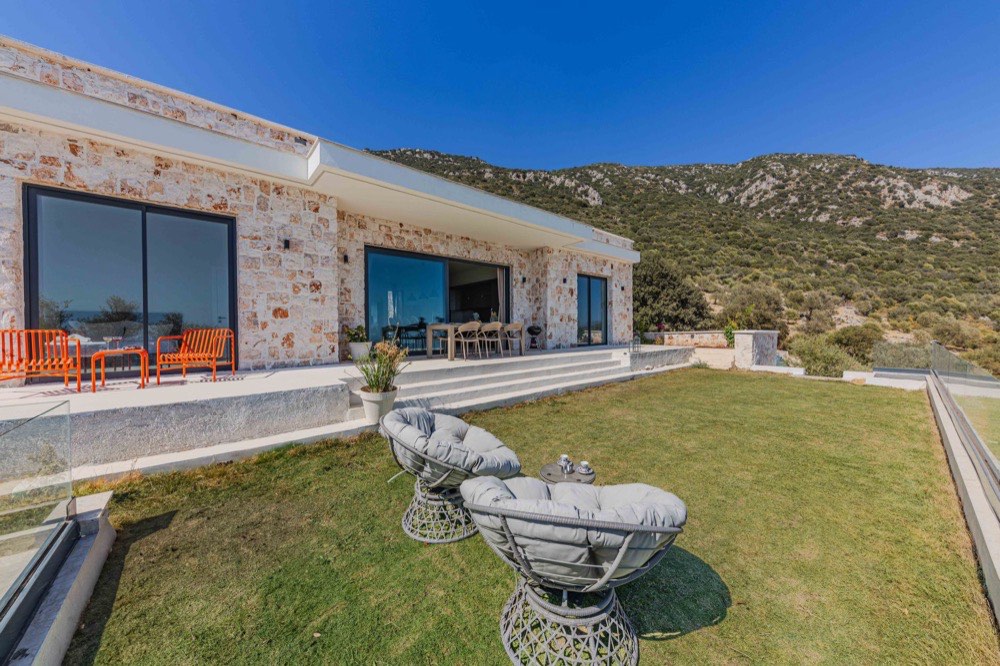
Malibu hardscape faces conditions most of Los Angeles doesn’t: salt spray, steep coastal slopes, septic systems under the yard, coastal permits, and wildfire. Many Malibu properties are also being rebuilt after the 2018 Woolsey Fire or the January 2025 Palisades Fire, and driveways, patios and walls are among the last pieces of those rebuilds.
Malibu properties
The city runs about 21 miles along the coast. Beachfront homes on Carbon Beach, Broad Beach and in the Colony sit in direct salt exposure, often with little yard. Point Dume and Malibu Park have flatter, larger lots with room for driveways, motor courts and pool decks. The canyons and ridgelines have steep driveways, retaining walls and the highest fire exposure.
Salt and materials
Salt spray and fog are hard on some materials. Porous stone can absorb salt, and salt crystallizing near the surface can cause flaking over time. Metal edging and fasteners corrode. A few choices hold up better near the water:
- dense, low-absorption pavers such as porcelain or high-quality concrete
- travertine with a good penetrating sealer, maintained over time
- concrete or composite edge restraints rather than steel
Septic systems
Most Malibu homes rely on onsite wastewater treatment systems rather than sewers. Leach fields and tanks need to stay accessible, and they shouldn’t be covered by an impervious surface or driven over. Before designing a driveway or patio, locate the system on the property’s records and keep paving clear of it.
Coastal permits
Malibu’s Local Coastal Program governs development in the city. New hardscape, grading and walls can need a Coastal Development Permit or a written exemption from the city’s planning department, in addition to any building permit. Some addresses with a Malibu mailing address are actually unincorporated Los Angeles County. Confirm the jurisdiction first.
Fire and the first five feet
Cal Fire’s defensible space guidance describes an ember-resistant zone in the first five feet around a house, and recommends hard, noncombustible surfaces there instead of mulch or plants. Pavers, gravel and concrete all fit. For a rebuild, that zone is a natural place for a paver walk or patio.
Slopes and drainage
Many Malibu lots sit above or below steep slopes. Retaining walls over 4 feet from the bottom of the footing, or walls supporting a slope or driveway, need a permit and engineering, and hillside sites may need a geotechnical report. Runoff has to be controlled so it doesn’t erode the slope below.
Malibu paver questions
Do I need a coastal permit for a new patio?
It depends on the scope and location. Ask the city’s planning staff before you design, because the answer sets the schedule.
Can pavers go over my septic leach field?
No. Keep the system accessible and uncovered.
Which material resists salt best?
Dense porcelain or a high-quality concrete paver. Travertine works with sealing and upkeep. See porcelain pavers.
We’re rebuilding after the fire. When should hardscape go in?
Usually last, after heavy equipment is gone, but plan grades and drainage with the house.
For a Malibu estimate, call (213) 577-0727 or send photos through the form.