Paver Installation Los Angeles
Paver installation in Los Angeles - driveways, patios, pool decks. Base-first approach. Licensed and insured.
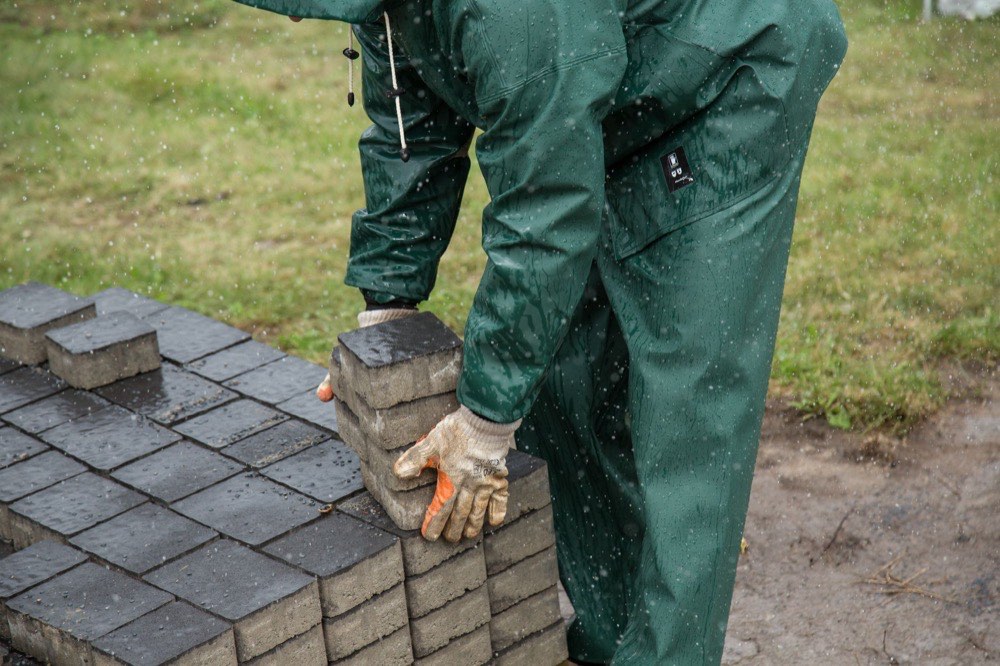
Paver installation is structural ground preparation with a finished surface layer. Most failures in Los Angeles come from improper base compaction, poor drainage grading, or weak edge restraint systems – not the pavers themselves.
We’ve installed paver systems throughout Los Angeles on flat lots, hillside properties, pool decks, driveways, and large-scale outdoor living projects. The material is only as good as what’s built underneath it.
What Paver Installation Actually Involves
A properly built paver system involves more than laying stone on dirt. The full scope includes:
1. Excavation and Grading
The existing surface is excavated to the appropriate depth – typically 6–8 inches for driveways, 4–6 inches for pedestrian areas. Grade is established to direct water away from structures and toward drainage points.
2. Base Construction
Compacted aggregate base – usually Class II road base – is installed in lifts and mechanically compacted. This is the most important step in the process. A base that isn’t properly compacted will settle unevenly and cause the surface above it to follow. We use plate compactors and check grade throughout the compaction process.
3. Bedding Sand
A 1-inch layer of coarse bedding sand is screeded level over the compacted base. This provides the final surface for the pavers to sit on and allows minor adjustments during installation.
4. Paver Installation
Pavers are set by hand in the specified pattern. Cuts are made with a wet saw for clean edges at borders and obstructions. Consistent joint spacing is maintained throughout.
5. Edge Restraints
Plastic or aluminum edge restraints are spiked into the base along all perimeter edges. Without proper edge restraints, pavers migrate outward over time and the surface loses its integrity.
6. Joint Sand and Compaction
Polymeric sand is swept into the joints and the surface is compacted again to seat the pavers into the bedding layer. The polymeric sand is then activated with water, where it hardens and locks the joints against weed infiltration and erosion.
Why Base Preparation Determines Everything
The most common paver failures we see – settling, cracking, spreading – are base failures, not material failures. The pavers themselves are almost never the problem. What failed was the preparation underneath them.
The most frequent causes:
- Insufficient excavation depth
- Base material not properly compacted
- Compaction done in layers that are too thick
- Organic material left in the subgrade
- No provision for drainage at grade
A base that looks fine when the job is done can settle significantly once it takes load and goes through its first wet season. That’s why we check compaction throughout the process rather than at the end.
Materials We Install
We work with all major paver types common in the Los Angeles market:
- Concrete pavers – most common, durable, wide range of sizes and colors
- Travertine – natural stone, popular for pool decks and patios, cool underfoot
- Porcelain pavers – low maintenance, consistent appearance, excellent for modern designs
- Brick pavers – traditional look, durable, good for driveways and walkways
- Flagstone – irregular natural stone, used for pathways and accent areas
Material selection depends on the application, the design intent, foot traffic load, and budget. We’ll discuss the tradeoffs during the estimate.
Paver Installation Cost in Los Angeles
Most residential paver projects in Los Angeles fall in the following ranges:
Concrete Pavers
$18–$28 per square foot installed, depending on pattern complexity and site conditions.
Travertine Pavers
$22–$35 per square foot installed. Material cost is higher; installation complexity is similar to concrete.
Porcelain Pavers
$25–$40 per square foot installed. Cutting requires diamond blades; larger format tiles require more care in setting.
Retaining Walls and Grade Changes
Priced separately based on wall height, length, and block type. Typically $45–$85 per linear foot for standard garden walls.
The primary cost variables are site access, grade changes, existing surface removal, and the amount of base work required. A flat lot with good access costs less than a hillside property with limited equipment access and significant grading work.
We provide itemized proposals before any work begins.
Why Paver Installations Fail in Los Angeles
Most failed paver jobs we are called to repair share one of four root causes:
1. Inadequate Base Compaction
Base material placed without proper compaction lifts continues to consolidate under load and moisture cycling. The surface dips, water pools, the problem accelerates. This is the most common failure mode we encounter – and it is invisible once the pavers go down.
2. No Proper Drainage Slope
Grade established incorrectly during installation causes water to pool on or under the surface. Standing water weakens base material, accelerates settlement, and can direct moisture toward foundations. Drainage is established at the excavation phase – it cannot be corrected after the surface is complete without tearing it out.
3. Edge Restraint Failure
Without properly spiked edge restraints at every perimeter, the paver field migrates outward under lateral pressure from traffic and thermal cycling. Joints open, alignment is lost, and the edge unravels progressively. We spike edge restraints into compacted base – not into sand.
4. Insufficient Excavation Depth
Thin base layers cannot support vehicle loads over time. Driveway applications require 8–10 inches of compacted base. Contractors who use patio specifications on driveways produce surfaces that fail under repeated vehicle weight within a few seasons.
We correct these failures by rebuilding from the base up when needed – not by resetting surface pavers over a compromised foundation.
Materials & Systems We Work With
Material selection depends on load requirements, drainage conditions, and intended use – not aesthetics alone.
- Belgard interlocking concrete pavers – largest North American manufacturer, consistent product quality, wide range of residential and commercial applications
- Angelus block systems – California-based, shorter lead times, strong local availability for repairs
- Orco pavers – SoCal manufacturer, competitive on cost, common throughout the San Fernando Valley
- Natural stone – travertine, limestone, granite – sourced through local stone yards in the City of Industry and Commerce
- Porcelain pavers – non-porous, low maintenance, appropriate for modern design applications
Serving: Los Angeles · San Fernando Valley · Westside · Pasadena · Glendale · LA County
Frequently Asked Questions
Do I need a permit for paver installation?
In most cases, no – for standard residential driveway and patio work. Permits are typically required when retaining walls exceed certain heights (usually 3–4 feet depending on jurisdiction) or when drainage modifications affect neighboring properties. We’ll identify what applies to your project during the estimate.
How long does installation take?
A typical residential patio or driveway takes 2–5 days depending on size. Larger projects with significant grading or retaining wall work take longer. We’ll provide a timeline with the proposal.
Can pavers be installed over concrete?
Sometimes. If the existing concrete is in good condition and properly graded, thin-set porcelain or a sand-set overlay is possible. If the concrete is cracked or settled, it usually makes more sense to remove it and start with a proper base. We’ll assess the existing surface during the estimate.
How do I maintain pavers after installation?
Periodic re-sanding of joints as the polymeric sand settles over time. Sealing every 3–5 years is optional but extends appearance and reduces staining. Weed control in joints is minimal with properly installed polymeric sand but may require occasional attention.