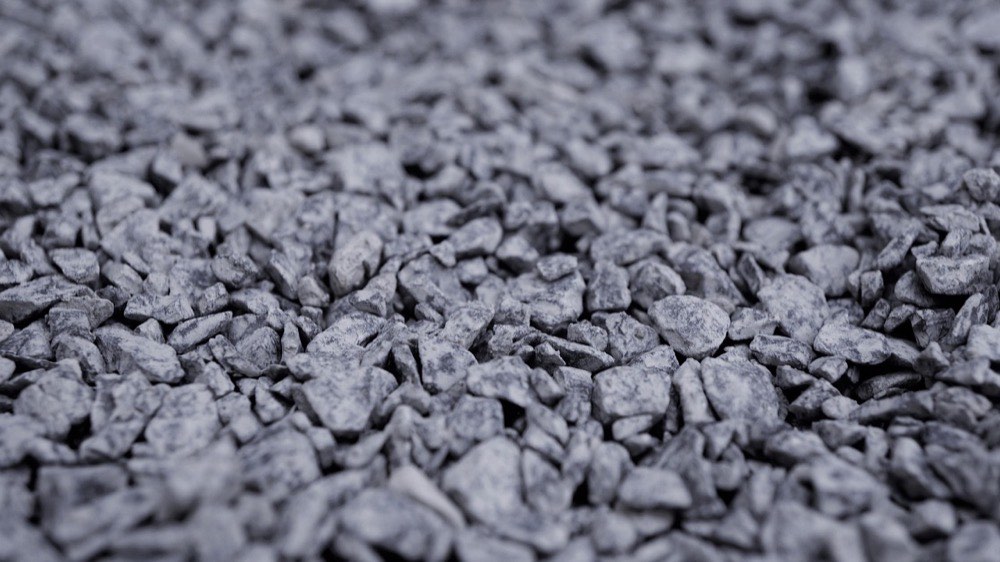
Polymeric sand is the joint filler used in paver installations that hardens when wetted and cured. It’s one of the most important materials in a paver installation – and one of the most frequently done wrong, either through wrong product selection, wrong installation method, or skipping it entirely in favor of regular sand.
What Polymeric Sand Does
Polymeric sand fills the joints between pavers and, once activated with water, binds into a semi-rigid compound that resists:
- Erosion from rain and irrigation
- Ant and insect infiltration
- Weed seed germination
- Joint material displacement from foot and vehicle traffic
Regular sand does none of these things reliably. It erodes, it allows weed growth, and it needs to be replaced frequently in high-irrigation environments like Los Angeles.
Why Polymeric Sand Fails
When installed correctly, polymeric sand lasts years. When it fails early, the cause is almost always one of the following:
Applied to Wet Pavers
Polymeric sand must be applied to a dry surface. If the pavers or joints have any moisture, the polymeric binders activate prematurely and the sand doesn’t compact correctly into the joints. The result is surface hazing, incomplete fill, and early joint failure.
Joints Not Fully Filled
If joints aren’t filled to within 1/8 inch of the paver surface, the sand washes out faster and doesn’t develop adequate lateral strength.
Wrong Product for Joint Width
Some polymeric sand products are formulated for narrow joints (1/8 to 3/8 inch) and some for wider joints. Using a narrow-joint product in a wide joint – or vice versa – produces poor results.
Not Compacted Before Watering
Polymeric sand should be compacted into the joints with a plate compactor before watering. Skipping compaction leaves loose material that washes away with the first rain.
Polymeric Sand Maintenance
Even properly installed polymeric sand may need to be replenished after 5–8 years depending on irrigation frequency, traffic load, and whether the surface was sealed. Re-sanding is a straightforward maintenance procedure and far less expensive than base repair.