Paver Replacement & Rebuild Los Angeles
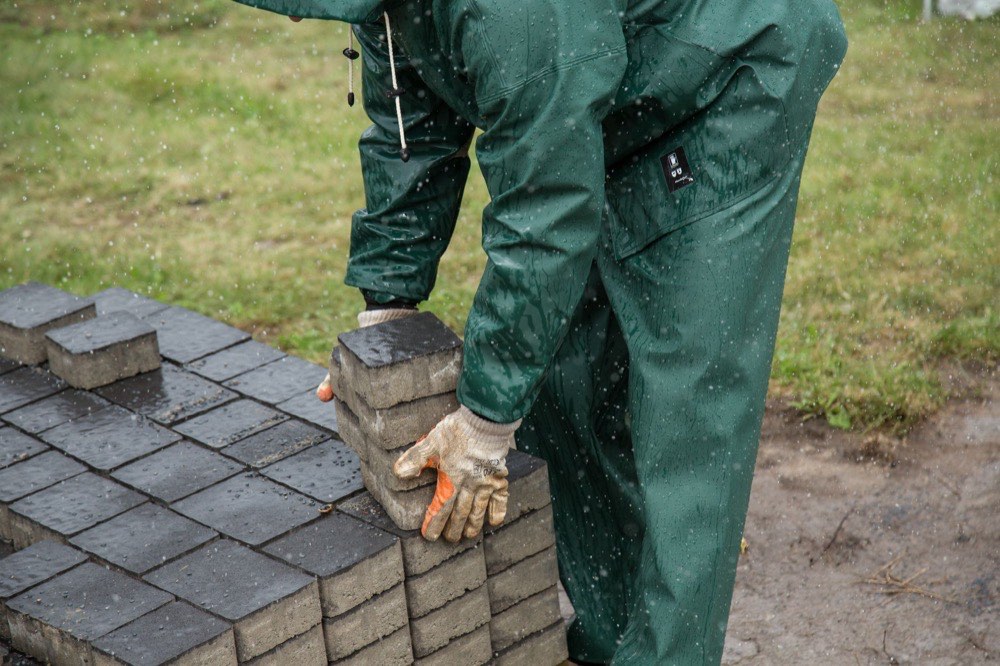
A paver surface that’s settled unevenly across the full installation, lost its drainage grade, or was built on a base that was never properly prepared isn’t a repair job. It’s a rebuild. The distinction matters because the scope of work – and the cost – is fundamentally different.
We handle full paver replacement and surface rebuilds throughout Los Angeles. The decision to rebuild rather than repair comes down to one question: is the base sound enough to support targeted work, or has it failed across the installation?
What “Replacement” Actually Means
Replacement means removing the existing paver surface, addressing whatever caused it to fail, and rebuilding from the base up. It is not resurfacing – adding a new layer on top of an existing one. It is starting over with correct base preparation.
The full scope of a replacement job:
- Remove and haul off existing pavers (salvageable pavers are set aside if reuse is viable)
- Remove existing base material down to subgrade
- Assess and prepare subgrade – address soft spots, organics, drainage issues
- Install new compacted aggregate base to correct depth for the application
- Establish correct drainage grade throughout
- Install bedding sand, pavers, edge restraints, and polymeric sand joint fill
This is the same scope as a new installation on a raw site – because that’s effectively what it is.
When Replacement Is the Right Answer
Repair targets specific failure zones and works when the surrounding base is solid. Replacement is the answer when:
Settlement Is Widespread
When multiple sections are settling at different rates across the installation, the base has failed systemically – not in one spot. Lifting and re-leveling section by section is temporary. Each section will continue to move independently because the underlying cause – inadequate compaction throughout – hasn’t been addressed. A full rebuild is the only permanent solution.
The Original Base Was Never Properly Built
Some installations were built on inadequate base depth, uncompacted fill, or imported soil that was never suitable for load-bearing use. These installations show progressive failure from the beginning and will continue failing regardless of how many repairs are done. The base has to come out.
Drainage Requires Full Regrading
When water is pooling across the surface, running toward the structure, or infiltrating a garage or entry – and the problem is that grade was established incorrectly across the full installation – fixing it requires lifting the entire surface and re-establishing grade from scratch. You can’t correct a systemically wrong slope by working in sections.
Pavers Are Beyond Matching or Reuse
When the existing material is discontinued, badly stained, or cracked beyond selective replacement, rebuilding with new material is often cleaner and more cost-effective than patching a surface that will always look like it was patched.
Can Existing Pavers Be Reused?
Sometimes. Concrete pavers in good structural condition can often be cleaned, sorted, and reset in the new installation. This reduces material cost and maintains continuity of appearance if the pavers are in reasonable shape.
Natural stone – travertine, flagstone – has higher reuse value because the material cost is higher. We assess reusability during the site visit and include it in the proposal if viable.
Pavers that are cracked, spalled, or too contaminated to clean are hauled off with the old base material.
Rebuilding with a Different Material
A rebuild is also an opportunity to upgrade the surface. Homeowners who had concrete pavers installed originally often use a rebuild to switch to travertine or porcelain. The excavation scope is the same regardless of what goes back down – so the incremental cost of upgrading material is the difference in material cost only, not additional labor for the base work.
We discuss material options during the estimate and can provide pricing for multiple scenarios.
Paver Rebuild Cost in Los Angeles
A full paver rebuild costs more than installation on a raw site because it includes demolition and removal of the existing surface and base. Typical ranges:
- Demolition and haul-off of existing pavers and base: $3–$6 per sq ft
- New installation (concrete pavers): $18–$28 per sq ft
- New installation (travertine): $22–$38 per sq ft
- New installation (porcelain): $25–$42 per sq ft
Total project cost for a rebuild is demolition + new installation. On a 600 sq ft driveway, that’s typically $12,000–$22,000 depending on material and site conditions.
Drainage corrections, retaining wall modifications, or significant grade changes are scoped separately.
Frequently Asked Questions
How do I know if I need a rebuild vs a repair?
The clearest indicator is whether the failure is localized or widespread. If one section is sinking and the rest of the surface is solid and level, that’s a repair. If multiple sections are settling, the surface is uneven everywhere, or water is draining incorrectly across the full installation, that’s a rebuild. We assess base condition in multiple areas during the site visit before making a recommendation.
Can the work be done in phases to spread cost?
Sometimes, depending on the layout. A driveway and a backyard patio that are separate surfaces can often be addressed independently. A single continuous surface that needs regrading generally can’t be phased – you’d be regrading it twice. We’ll tell you honestly whether phasing is viable for your specific situation.
How long does a full rebuild take?
Demolition adds a day to the project timeline. A full rebuild of a typical residential driveway or patio runs 4–7 days. Larger projects or those with significant drainage work take longer. We provide a project timeline with the proposal.
Materials We Work With
Material selection depends on load requirements, drainage conditions, and intended use.
- Belgard – interlocking concrete pavers, widest residential range
- Angelus – California-based, strong local availability
- Orco – SoCal manufacturer, common in the San Fernando Valley
- Natural stone – travertine, limestone, granite from local stone yards
- Porcelain – non-porous, low maintenance, modern applications
Serving: Los Angeles · San Fernando Valley · Westside · Pasadena · Glendale · LA County